


In the UK, U-Value is considered an indicator that shows the energy efficiency and amount of heat transfer of a window, door, or wall. Without evaluating the U-value of the windows, maintaining a comfortable interior temperature becomes difficult. Using high-quality heat reduction films in windows reduces energy costs while maintaining a comfortable temperature.
Key Takeaways:
- U-value evaluates the heat transfer through windows.
- Window insulation films help in reducing the U-value of the property.
- Window films have a low upfront cost.
If you still use single-pane windows, then you must know how quickly your rooms get heated in summer and become colder in winter. And with it comes increased energy costs to keep your place temperature-controlled. With the electricity price in the UK increasing 5.89% since the beginning of 2026, you cannot afford to spend much to maintain the temperature in the room.
This is where heat reflection window films come into the picture. With these, you can easily beat the heat throughout the summer and experience a cosy temperature during winter. To understand the heat transfer efficiency of these films, the U-value is used as the indicator.
If you have a personal property or a commercial place and need to upgrade the thermal efficiency of your windows, then this blog will be useful for you. In this article, we will guide you to understand all about window U-values and glazing efficiencies. This blog will also highlight how heat reduction films will be an effective solution in these scenarios.
To understand how this thermal transmittance works in heat reduction films, we need to know about the U-value first. So, let’s take a look at it.
What is the Physics of Thermal Transmittance?
The thermal transmittance in windows, generally known as the U-value, measures the rate of heat transfer through the window. It indicates how well the window can insulate and regulate temperature in the room.
Definition of U-Value
U-Value refers to the parameter that measures how much heat is transmitted through 1 square metre of a window area for every degree of temperature difference between inside and outside. U-value is expressed in Watts per square meter per Kelvin (W/m²K). A lower U-value indicates better insulation.
According to English regulations, the standard U-value for windows in new dwellings should be a maximum of 1.2 W/m²K. For windows in existing dwellings, this standard is 1.4 W/m²K.
In simple words, to address heat loss in different seasons and measure the efficiency of heat reduction films, the U-value is used. But how do the windows lose heat? Let’s find out.
Conduction, Convection, and Radiation: Three Ways a Window Loses Heat
There are three typical ways through which heat can be transmitted through windows. These include:
- Conduction: In this process, heat travels through solid materials such as the interior glasses.
- Convection: Heat transfers through the movement of air. Warm air inside your home moves towards the cold window surface.
- Radiation: In this process, heat is transmitted in the form of long-wave infrared electromagnetic radiation. Without the air movement, the warm inner pane of glass radiates heat to the colder outer pane.
Why Heat-Reducing Window Film is a Smart Upgrade Over Standard Glazing Options?
A heat-reducing window film solution is a cost-effective upgrade over standard glazing because it rejects most of the solar heat before it enters a space. On the other hand, standard glazing may allow more heat and UV rays to pass through.
Heat-Reducing Window Films Offer Increased UV Protection
Even high-end double and triple-glazing options can only block a limited amount of UV rays. On the other hand, window films can block up to 99% of harmful UV rays that can cause fading.
Retrofitting as a Sustainable Alternative
By adding films to the windows, you are just upgrading the performance of the material already there. Replacing perfectly functional uPVC or aluminium frame window units with glass can be costly for the environment.
Energy Savings and ROI
While high-performance glazing options are expensive, heat-reducing films are a cost-effective alternative that provide similar heat-blocking benefits without the high installation cost. The upfront cost is drastically lower.
Now, let’s understand how these heat reduction films work in altering the U-value.
What is the Science of Heat Reduction Films?
Modern glass and window insulation films offer neat solutions to problems like high energy cost and rapid heat loss. Here is the science behind this heat reduction film.
How Heat Reduction Films Alter U-Values?
Heat reduction window films can upgrade existing standard glass into Low-Emissivity (Low-E) standards, effectively reducing the window’s U-value.
In cold UK weather, Low-E window films create a thermal barrier by trapping indoor warmth and reducing heat escaping through single or double-pane windows. By applying these films, a standard single-glazing window can have its performance improved to double-glazing pane levels and have a reduced U-value.
Spectral Selectivity
While blocking heat and UV, modern window films use spectral technology, nano-ceramics, or metalised layers to selectively filter visible sunlight.
Understanding the TSER Percentage
Total Solar Energy Rejected (TSER) can give you the complete understanding of a film’s heat-reducing capacity. This rating represents the total percentage of solar energy that is accumulated at your window instead of heating up your home.
For example, if you purchase a window film with a TSER of 63%, that means around two-thirds of the sun’s energy is being rejected before it can increase the temperature of your room.
Winter Benefits
In the winter, the heat-reducing window films reflect the heat into the room, keeping the surface warmer. Furthermore, these window films create a sealed air pocket between the film and the glass pane. This pocket acts as an additional layer of insulation, which restricts the convection of cold air from the window surface into the room.
Comparative Analysis: Film Retrofitting vs. Standard Glazing
Here is a comparative analysis between film retrofitting and standard glazing options.
|
Feature |
Single Glazing |
Standard Double Glazing (A-Rated) |
Performance Retrofit Films |
|
Typical U-Value |
5.2 – 5.8 W/m²K |
1.2 – 1.6 W/m²K |
Up to 33% Improvement on existing units |
|
Solar Heat Rejection |
~15% |
~30% - 40% |
Up to 78% |
|
UV Protection |
Minimal |
~40% - 60% |
99.9% (Museum Grade) |
|
Primary Benefit |
Basic shelter |
Standard insulation |
Dual-Season Thermal Management |
|
Average ROI |
Never |
20 – 25 Years |
2-5 years |
Table: Where Retrofitting Stands against Standard Glazing Options
How Improving Window U-Value Impacts EPC Ratings?
In the UK’s property market, the Energy Performance Certificates (EPCs) have become a crucial factor. These ratings show how energy efficient a property is. The higher this rating, the lower your energy bill will be.
In the EPC ratings, window U-values are often the most misunderstood factor. Here’s how improving window U-value influences the EPC ratings.
Boosting the SAP Score
The EPC rating is calculated in a Standard Assessment Procedure (SAP). When an EPC assessor sees single glazing (U-value ~5.0) or an old double-glazing window (U-value ~2.8), it triggers a penalty in the SAP calculation.
In comparison, when property owners upgrade to a high-performance heat-reducing window film, they can significantly reduce these figures and improve the EPC rating.
How EPC Assessors Use Window U-Values?
EPC assessors typically assess certain factors while assessing the window U-value. These include:
- Glazing type and thickness
- Frame material
- Presence of low-E coatings
- Installation year
- Any documented specifications or certifications
Retrofitting Vs Replacement: Achieving EPC Compliance
In the UK, one of the main misconceptions is that you need to install brand-new windows to improve the EPC rating. However, the EPC rating can also be increased with heat-reducing window films that reduce the emissivity of the glass.
For property owners with a limited renovation budget, retrofitting window films can provide a documented improvement in thermal retention. Without investing a lump sum amount on replacing the entire window frame, you can get a ‘Green’ rating in the EPC report. This can increase the resale value of the property massively.
What Environmental Factors Should Be Considered When Understanding Window U-Values?
When looking at your window U-value, you need to consider several environmental factors that typically come with a high U-value window. These factors typically indicate when you need to upgrade your window insulation.
The Condensation Physics
A high U-value of the window indicates poor insulation, meaning heat is rapidly being transferred from the warm area to the cold area. This constant heat transfer causes the internal surface of the glass to become very cold.
When this cold surface temperature drops below the ‘dew point’ of the indoor air, condensation occurs.
High U-value windows often have weak thermal resistance at the edges. These edges can lead to the buildup of moisture, specifically on frames or spacers, increasing the risk of mould.
Apart from that, high internal humidity combined with these cold surfaces means water vapour in the air turns into liquid droplets on the glass.
Health Implications
The cold surface caused by poor U-value windows often contributes to a cold, damp indoor environment. These environments, alongside mould growth in the edges, can increase the presence of airborne pollutants, causing asthma, allergies, and other respiratory illnesses.
In the UK, living in poorly insulated properties can be found commonly. According to a report of the Institute of Health Equity and Friends of the Earth, in 2024, around 9.6 million households in the UK were living in cold and poorly insulated homes. That was 34% of the UK households. This report also cites that living in these conditions leads to significant health problems.
The Solution
By using window films, you can solve these issues significantly. It acts as an insulating barrier that minimises the temperature difference between the indoor air and the glass surface. Some specialised window films are hydrophobic, meaning they repel water and prevent fogging on the interior window pane. By insulating the glass panes, the interior surface remains warmer.
Situations in Which Window Films Can Help Prevent Condensation
Since window film can significantly reduce the energy costs, it is a smart and affordable investment. Particularly if fogging is mainly the result of temperature differential in colder climates like the UK weather.
However, activities such as showering and cooking (especially in the winter) release vapour into the air. So, if your space is poorly ventilated, the congested moisture will never find its way to leave. Naturally, water accumulation will continue on cold surfaces. This scenario is pretty similar to double-glazing windows, where the seals fail, causing condensation between the panes.
Therefore, you have to make sure that you have proper ventilation in your space while installing window films.
Step-by-Step Selection Guide: Which Solution Do You Need?
Here are different scenarios where you can rely on efficient window film solutions.
Scenario A: For North-Facing Rooms
North-facing rooms in the UK often experience a lack of direct sunlight, which leads to a permanent chilling sensation even when the heating is active. In this scenario, the main goal is to reduce the window’s U-value to prevent internal heat from escaping. For these spaces, insulation window films with high thermal resistance can be the perfect option.
Check out Evowrap’s Low-E Window Insulation film here:
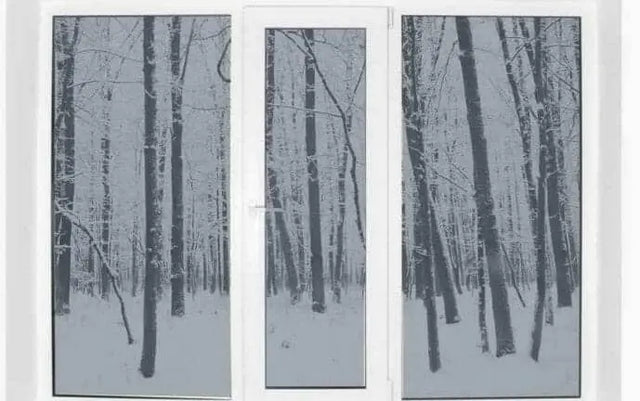
These films work effectively by reflecting the radiant heat into the room. And, they also act as a thermal blanket that keeps the space usable and warm throughout the winter months.
Scenario B: For South-Facing Conservatories and Large Glazing Windows
South-facing rooms receive the most direct solar radiation, often leading to a ‘greenhouse effect’ where temperatures become unbearable.
Therefore, the primary goal here is to reduce the G-Value (Solar Heat Gain).
Here, let’s take a look at Evowrap’s Coolkote Window film for the conservatory roof.
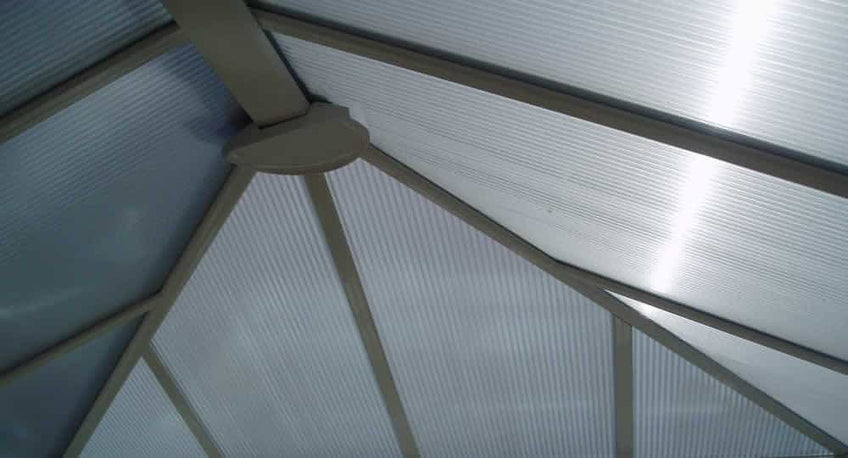
Using High-performance solar control films is the perfect solution here. These films reflect up to 80% of solar energy before it enters the room. As a result, a significant drop in internal temperature during summer and a glare reduction can be observed.
Scenario C: Street-Level Windows
Windows facing public footpaths or roads face challenges like heat loss and a lack of privacy. Therefore, in this scenario, combining thermal efficiency with visual security is highly important.
Experts suggest Dual-Reflective or "One-Way" Privacy Films in these cases. These provide a mirrored external appearance during the day while maintaining a clear view from the inside.
Here, explore Evowrap’s High reflective silver window film for enhanced one way vision privacy.
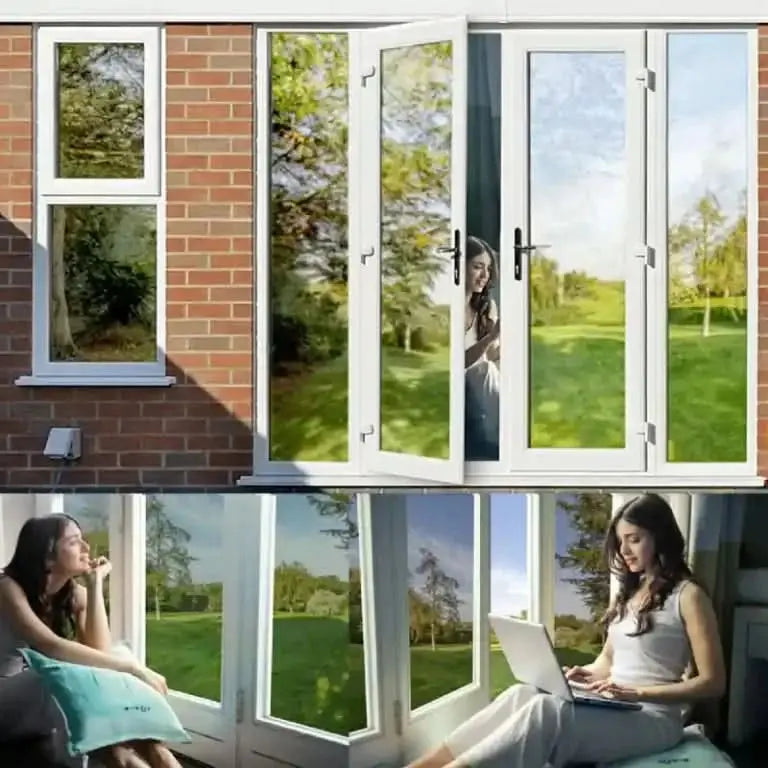
By installing this type of film on your window, you can improve the window’s U-value for better heat retention. Also, you can prevent passers-by from looking into your living or office space.
Use Heat Reduction Films to Maintain a Low U-Value in Your Property!
Want to experience better insulation with reduced costs from glazing? Use Evowrap’s effective heat reduction films in your windows to maintain a comfortable internal temperature.
